

-
 0
0
0
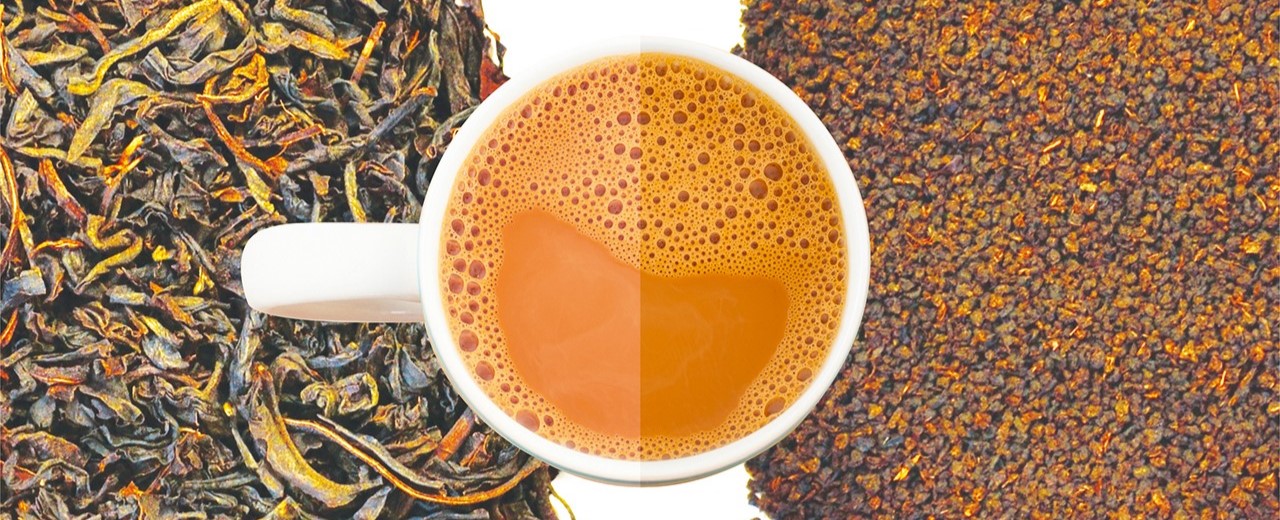
Loose CTC (Crush-Tear-Curl) tea remains the backbone of India’s tea consumption ecosystem in 2026. From roadside chai stalls to large FMCG brands, CTC tea dominates due to its affordability, strong liquor, and high blending flexibility.
This guide covers latest wholesale prices, industry statistics, production data, demand trends, and expert buying insights—making it ideal for wholesalers, retailers, exporters, and tea entrepreneurs.
India is the second-largest tea producer globally, with total production expected to reach around 1.4 million tons by 2026.
Key industry facts:
Market size: $11.86 billion in 2025, projected to reach $15.44 billion by 2034
Black tea (including CTC): 68% market share.
Loose tea segment: 44% of total consumption.
Domestic consumption: ~80% of total usage
👉 This clearly shows why loose CTC tea dominates wholesale trade in India.
Based on supplier listings, auction trends, and wholesale platforms:
| Grade | Wholesale Price (₹/kg) |
|---|---|
| Low-grade / Dust | ₹100 – ₹200 |
| Fannings | ₹170 – ₹240 |
| BOP (Broken Orange Pekoe) | ₹200 – ₹320 |
| Premium Blend | ₹300 – ₹450 |
Additional supplier data:
Bulk CTC tea: ₹140 – ₹220/kg
Premium Assam CTC: ₹175 – ₹350/kg
Industrial-grade CTC: up to ₹320/kg
👉 Average wholesale benchmark (2026): ₹160 – ₹300/kg
Tea prices in India are heavily influenced by auction markets like Guwahati, Kolkata, and Siliguri.
Average auction price (2024–25): ~₹198/kg
North India tea average (2025): ~₹204/kg
Price fluctuations: ₹120 – ₹215/kg depending on quality & sector
👉 This explains why retail wholesale prices often exceed ₹250/kg for better grades.
Produces 680+ million kg tea annually
Accounts for more than 50% of India’s tea output
2024 production dropped 7.8% due to climate issues
Heatwaves & floods reduced yields → price increase ~18%
Export demand increased significantly in 2025–26
👉 Lower supply + rising demand = stable to rising wholesale prices in 2026
Dust tea = cheapest
BOP/BP grades = mid-range
Premium blends = highest margins
Assam = strong, high demand
Dooars = cost-effective
Nilgiri blends = moderate pricing
Rising temperatures reducing yield
Increasing production cost (8–9% annually)
India exports CTC tea mainly to:
Egypt
UK
Middle East
Auction prices directly influence wholesale rates
Quality gap causes huge price variation (₹120–₹300/kg)
Breakdown of typical cost components:
| Cost Factor | Contribution |
|---|---|
| Raw leaves | 40–50% |
| Processing | 20–25% |
| Labor | 15–20% |
| Packaging & logistics | 10–15% |
👉 Rising labor and energy costs are pushing prices upward in 2026.
Prefer dust or fannings
Budget: ₹120–₹200/kg
Prefer BOP/BP grades
Budget: ₹180–₹300/kg
Focus on consistency & bulk supply
Budget: ₹200–₹350/kg
Blend multiple grades for branding
Focus on margin optimization
Major trading and sourcing centers:
Kolkata Tea Auction – largest trading hub
Guwahati Tea Auction Centre (GTAC) – Assam focus
Siliguri – distribution & blending hub
Delhi & Ahmedabad – commercial bulk markets
Loose tea accounts for nearly 44% of the market
Higher margins in branded tea driving demand for better grades.
Production risks leading to:
Short-term price spikes
Long-term supply concerns
Small businesses entering market via:
Bulk sourcing
Custom blending
| Segment | Buying Price | Selling Price | Margin |
|---|---|---|---|
| Dust Tea | ₹140/kg | ₹200/kg | 25–35% |
| Mid-grade | ₹200/kg | ₹300/kg | 30–40% |
| Premium | ₹300/kg | ₹450/kg | 35–50% |
👉 Branding & packaging can increase margins up to 60%+
Always test liquor strength & color
Buy from auction-linked suppliers
Negotiate for MOQ discounts (100kg+)
Prefer direct estate sourcing for better margins
Check moisture content & shelf life (12–24 months)
Moderate price growth: 3–5% annually
Increased export demand
Rising production cost due to climate change
Shift toward premiumization
👉 Expected stable range: ₹150 – ₹350/kg (bulk market)
The loose CTC tea wholesale market in 2026 is shaped by strong domestic demand, climate challenges, and evolving consumer preferences. Prices remain stable but slightly upward due to supply constraints and rising costs.
For buyers and traders:
Focus on quality vs price balance
Leverage bulk purchasing & supplier relationships
Explore private labeling for higher margins
CTC tea continues to be one of the most profitable and scalable commodities in India’s FMCG sector.
It ranges between ₹140 to ₹350 per kg depending on grade, region, and quality.
Due to lower production, climate impact, and rising demand both domestically and globally.
Dust and fannings are best for strong chai and cost efficiency.
Unorganized sector markets and bulk suppliers offer prices starting from ₹100/kg.
Assam produces over 50% of India’s tea.
Yes, margins range from 25% to 50% depending on branding and scale.
Typically 50 kg to 500 kg depending on supplier.
Check color, aroma, granule size, and brew strength.
Yes, second flush tea is more expensive due to superior quality.
Yes, India exports large quantities to Egypt, UK, and Middle East.