35 Kg (Min. Order)
₹480.00



 0
0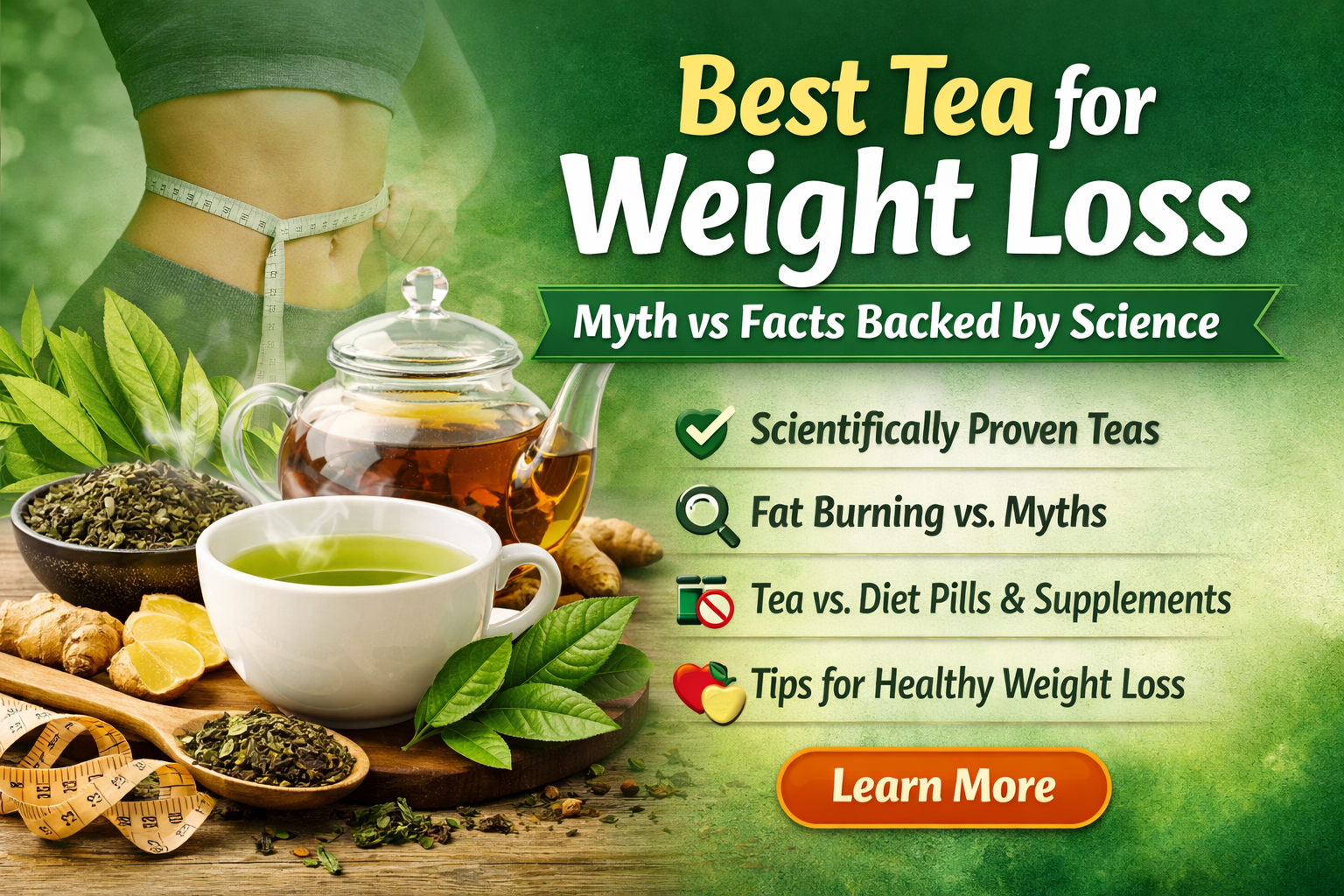
In recent years, tea has gained immense popularity as a natural aid for weight loss. From green tea and oolong tea to various “detox” and herbal teas, the market is flooded with claims promising rapid fat burning, detoxification, and effortless slimming. Social media influencers, advertisements, and wellness blogs often portray tea as a magical solution for shedding extra kilos. But how much of this is true, and how much is just clever marketing?
This article separates myths from facts, examining what science actually says about tea and weight loss. By understanding how tea works in the body, which types are genuinely beneficial, and how to consume them correctly, you can make informed choices and set realistic expectations for sustainable weight management.
Before exploring the role of tea, it’s important to understand how weight loss truly works.

 Add to Cart
  Add to Cart
  Add to Cart
  Add to Cart
 Weight loss occurs when the body burns more calories than it consumes — a state known as a calorie deficit. This deficit can be achieved through:
Reduced calorie intake
Increased physical activity
Improved metabolism and hormonal balance
No beverage or food can override these fundamental principles.
Metabolism refers to the body’s process of converting food into energy. A faster metabolism burns more calories at rest. Certain compounds in tea may slightly enhance metabolic rate, but the effect is modest and supportive rather than transformative.
The simple answer is no. Tea alone cannot lead to significant weight loss without a balanced diet, regular exercise, proper sleep, and stress management. However, tea can support weight loss efforts when included as part of a healthy lifestyle.
Tea contains natural bioactive compounds that can indirectly assist in weight management.
Most teas are rich in antioxidants such as catechins, flavonoids, and polyphenols. These compounds help reduce inflammation, improve metabolic health, and support fat oxidation.
Certain teas slightly increase thermogenesis — the process by which the body generates heat and burns calories. This can lead to increased fat oxidation during physical activity.
Some teas help:
 Add to Cart
  Add to Cart
  Add to Cart
  Add to Cart
 Reduce cravings
Improve digestion
Control bloating and water retention
This can make it easier to maintain a calorie deficit consistently.
Green tea is the most studied and widely recommended tea for weight loss.
EGCG (Epigallocatechin gallate)
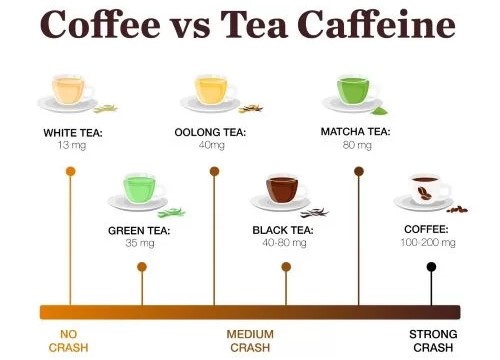
Moderate caffeine content
Multiple studies suggest that green tea can:
Increase fat oxidation
Slightly boost metabolic rate
Improve insulin sensitivity
While the weight loss effect is modest, consistent consumption combined with exercise shows better results than placebo.
2–3 cups daily
Without sugar or milk
Best consumed between meals or before workouts
Black tea undergoes full oxidation, giving it a stronger flavor and darker color.
Rich in flavonoids and polyphenols
Supports gut microbiota balance
May reduce calorie absorption
Studies suggest black tea polyphenols may help regulate body weight by improving gut bacteria associated with lean body mass.
Plain or with minimal milk
Avoid excess sugar
Oolong tea lies between green and black tea in terms of oxidation.
Enhances fat metabolism
Improves energy expenditure
Supports digestion
Research indicates that regular consumption of oolong tea can increase fat burning for several hours after consumption, even during rest.
1–2 cups daily
Best consumed in the morning or early afternoon
White tea is the least processed tea, retaining a high antioxidant content.
Prevents formation of new fat cells
Encourages breakdown of existing fat
Low caffeine content
Anti-aging properties
Supports skin health alongside weight management
Herbal teas are caffeine-free and play a supporting role rather than directly burning fat.
Boosts digestion
Reduces inflammation
Helps control appetite
Suppresses hunger
Reduces bloating
May reduce fat accumulation
Supports heart health
Acts as a natural diuretic
Reduces water retention (not fat loss)
Important Note: Herbal teas mainly help with digestion, water weight, and appetite control — not direct fat burning.
Fact: Tea does not melt fat instantly. It may slightly improve fat oxidation over time with consistent use.
Fact: Excessive tea intake can cause dehydration, caffeine dependency, and digestive issues.
Fact: Most detox teas cause temporary water loss through laxatives or diuretics, not actual fat loss.
Fact: Tea complements a healthy lifestyle but cannot replace proper nutrition and physical activity.
Boosts metabolism
Enhances alertness
Best taken after a light meal
Improves fat oxidation
Enhances endurance
Aids digestion
Prevents bloating
Adding sugar or honey in excess
Full-fat milk
Artificial sweeteners
Green/Black/Oolong Tea: 2–4 cups daily
Herbal Tea: 2–3 cups daily
Excess caffeine may cause:
Anxiety
Insomnia
Increased heart rate
Pregnant women, people with acidity, and those sensitive to caffeine should limit intake or opt for herbal teas.
Minimal side effects
Long-term sustainability
Supports overall health
Often contain stimulants
Risk of dependency
Limited scientific backing
Tea is a safer, more sustainable choice compared to synthetic weight loss products.
Pair tea with a protein-rich, balanced diet
Stay physically active
Drink enough water
Sleep 7–8 hours daily
Manage stress levels
Tea works best as a habit, not a quick fix.
It’s better to avoid strong tea on an empty stomach as it may cause acidity.
No tea targets belly fat specifically. Green and oolong tea help reduce overall body fat when combined with exercise.
Excess caffeine can have a mild diuretic effect, but moderate intake does not cause dehydration.
Some detox teas contain laxatives and should not be used regularly. Always read labels carefullyTea can be a valuable addition to a weight loss routine — but not a miracle solution. Science supports the idea that certain teas, especially green, oolong, black, and white tea, can modestly enhance metabolism, support fat oxidation, and improve digestion. However, their benefits are most effective when combined with a balanced diet, regular physical activity, and healthy lifestyle choices.
Rather than chasing quick results or marketing claims, adopting tea as a consistent, mindful habit can support long-term weight management and overall wellness. Sustainable weight loss is a journey, and tea can be a supportive companion along the way — not the sole driver.