25 Kg (Min. Order)
₹250.00



 0
0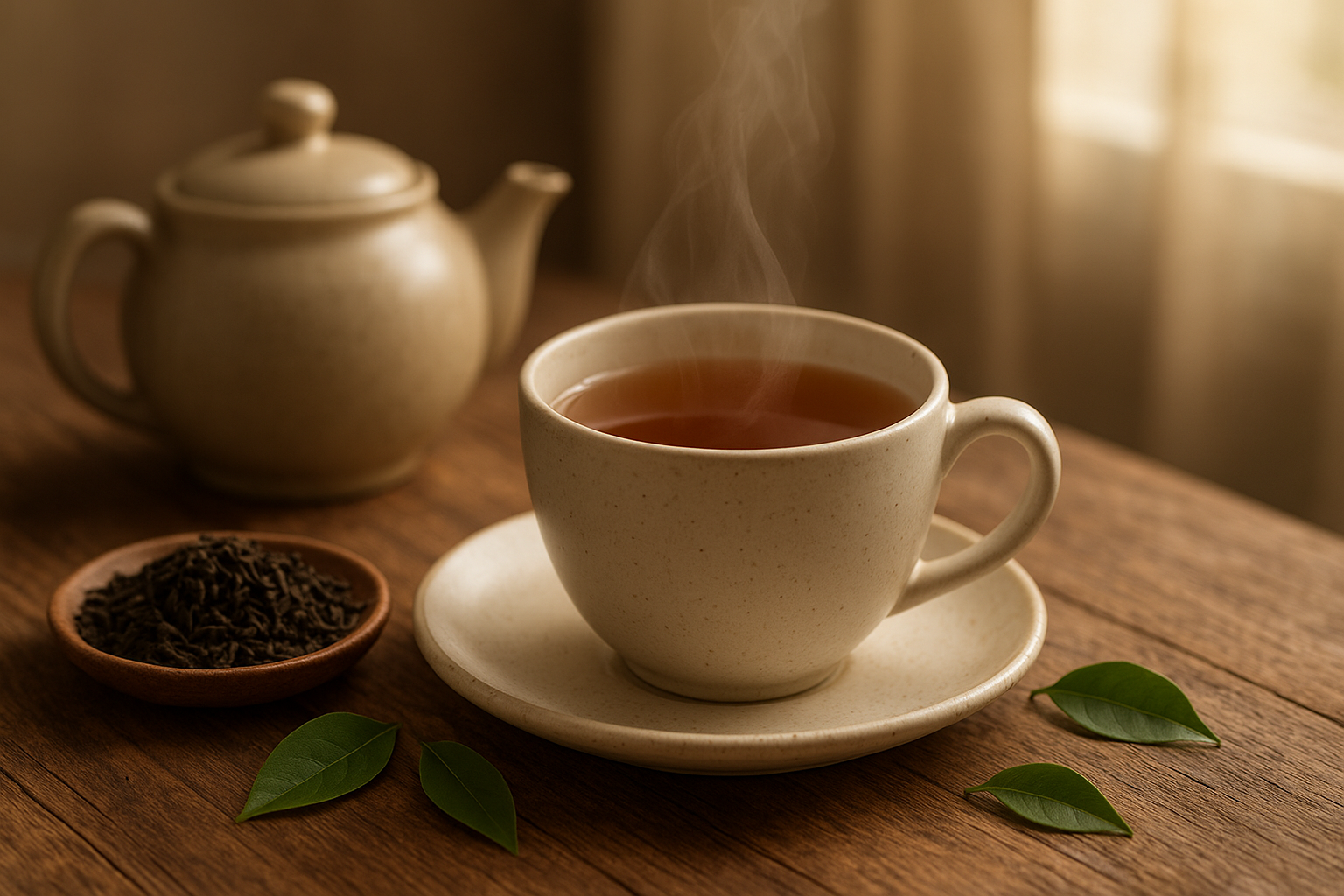
There’s something magical about a perfectly brewed cup of tea — the aroma, the warmth, and the soothing flavor that calms your senses. But achieving that balance between taste and texture isn’t just about pouring hot water over tea leaves. It’s a delicate process that involves the right ingredients, temperature, and timing.
If you’ve ever wondered how tea experts always seem to get it right, this guide will help you master the art. Whether you love black tea, green tea, or herbal blends, let’s explore how to brew the perfect cup — step-by-step.
Your tea journey starts with choosing high-quality tea leaves. Different varieties require different brewing methods:
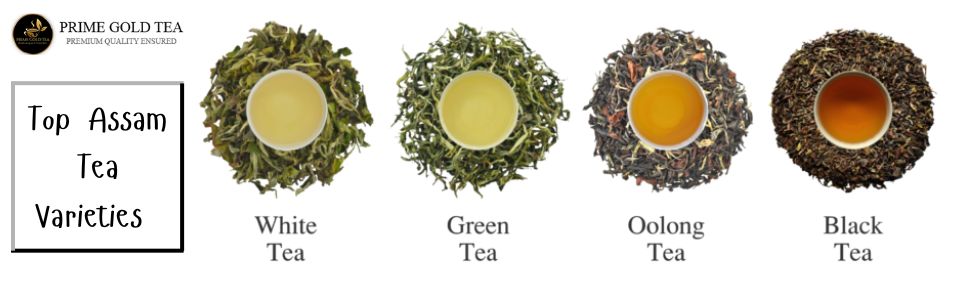
| Type of Tea | Flavor Profile | Ideal Water Temperature | Steeping Time |
|---|---|---|---|
| Black Tea | Bold, malty, rich | 95–100°C (203–212°F) | 3–5 minutes |
| Green Tea | Fresh, grassy, light | 75–85°C (167–185°F) | 2–3 minutes |
| Oolong Tea | Floral, complex, smooth | 85–90°C (185–194°F) | 3–4 minutes |
| White Tea | Mild, delicate, sweet | 75–85°C (167–185°F) | 4–5 minutes |
| Herbal Tea | Fruity, spicy, caffeine-free | 95–100°C (203–212°F) | 5–7 minutes |
Tip: Always buy loose-leaf tea when possible — it allows water to circulate better and brings out the full flavor.
The water you use can make or break your brew.

 Add to Cart
 Add to Cart
 Add to Cart
 Add to Cart
Avoid reboiled water: It loses oxygen and can make your tea taste flat.
Use filtered or spring water: Tap water with too much chlorine or hardness can alter the flavor.
Measure water correctly: About 200 ml (1 cup) per serving is ideal.
Different teas react differently to temperature:
Too hot, and green or white tea can taste bitter.
Too cold, and black or oolong tea won’t release full flavor.
If you don’t have a thermometer:
Wait 30–60 seconds after boiling water before pouring for green or white tea.
Use boiling water immediately for black and herbal teas.
Getting the right tea-to-water ratio ensures balanced flavor.
Loose-leaf tea: Use about 1 teaspoon per cup (200 ml).
Tea bags: One bag per cup is standard.
Pro Tip: For a stronger brew, add more leaves — don’t steep longer, as over-steeping releases bitterness.
Steeping is where the magic happens. The goal is to extract enough flavor without bitterness.
Use a timer — guessing often leads to over-steeping.
Cover your teapot or cup while steeping to trap aromas.
Stir lightly before removing leaves or the tea bag.
After steeping, strain the tea immediately to stop extraction.
Depending on the tea type and your taste preference:
Milk: Best with black teas like Assam or English Breakfast.
Lemon: Adds freshness to green or herbal teas.
Honey or sugar: Sweetens mild teas without overpowering flavor.
Spices: Add a pinch of cinnamon, cardamom, or ginger for warmth.
Experiment to find your signature cup.
Pour your tea into a pre-warmed cup (just swirl hot water inside before serving). This helps maintain the temperature and enhances aroma.
Take a sip — appreciate the balance of warmth, taste, and aroma. Tea brewing isn’t just a beverage ritual; it’s a moment of mindfulness and calm.
Using boiling water for all teas – burns delicate leaves.
Over-steeping – releases tannins and bitterness.
Using stale tea – results in flat flavor.
Skipping water quality – impairs aroma and taste.
Adding milk too early – can curdle if tea isn’t hot enough.
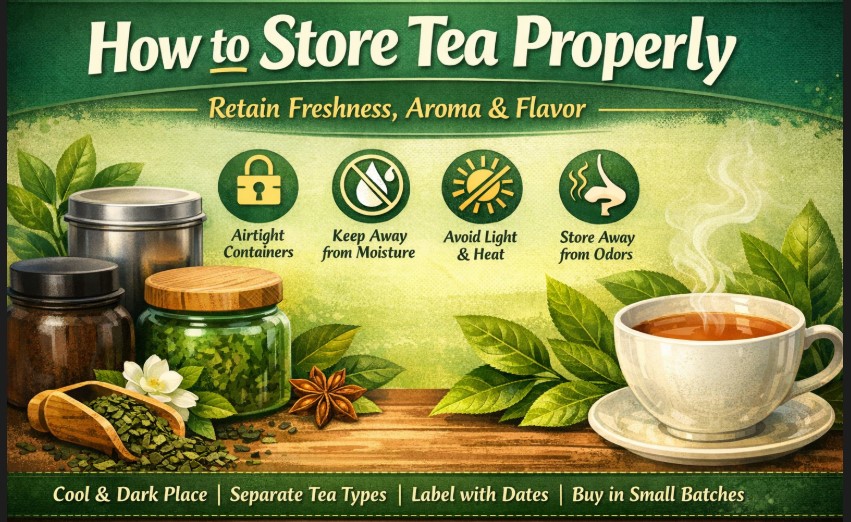
Store tea properly — in airtight containers, away from light and moisture.
Brewing the perfect cup of tea is about balance — between time, temperature, and technique. With a little practice and attention to detail, you’ll soon be able to make tea that matches your personal taste perfectly.
So, take a deep breath, boil the water, and start your journey to tea perfection — one cup at a time.
1. Can I reuse tea leaves?
Yes, high-quality loose leaves (especially oolong or green tea) can be steeped twice. Reduce steeping time for the second brew.
2. How should I store tea leaves?
Keep them in an airtight container away from sunlight, heat, and moisture.
3. Is boiling water always necessary?
No. Use the recommended temperature for your tea type to preserve flavor and nutrients.
4. What’s better: loose-leaf or tea bags?
Loose-leaf tea generally offers superior flavor and aroma compared to most commercial tea bags.
5. Why does my tea taste bitter?
It’s usually due to over-steeping or using water that’s too hot.