100 Kg (Min. Order)
₹173.00



 0
0
Tea is one of the world’s most beloved beverages, enjoyed by millions daily in countless forms—black, green, white, oolong, and more. Yet, when browsing tea packages, many consumers come across confusing terms like “OP,” “FTGFOP,” or “Broken Pekoe.” These mysterious abbreviations represent tea grades and labels, which classify the leaf size, quality, and appearance—not necessarily its flavor or price.
In this blog, we’ll break down the meanings behind these tea grades, why they matter, and how you can use them to make smarter tea-buying decisions.
Tea grading is a classification system used by tea producers and traders to describe the physical characteristics of tea leaves after processing.
These grades are especially common for black teas (especially from India, Sri Lanka, and Africa), while green and herbal teas are usually graded differently.
Tea grading generally refers to:

 Add to Cart
  Add to Cart
  Add to Cart
  Add to Cart
 Leaf size – Whole, broken, or fannings (tiny bits).
Appearance – Shape, color, and consistency.
Quality indicators – Tips, buds, or golden leaves.
👉 Important Note:
Tea grading does not directly determine the flavor or aroma. Two teas of the same grade may still taste very different depending on where and how they were grown and processed.
Tea grades are broadly classified into three main categories, based on the size and integrity of the leaf:
Made from unbroken leaves carefully rolled during processing.
Represents the highest quality of orthodox tea.
Offers the most complex flavors and aromas.
Examples:
OP (Orange Pekoe)
FOP (Flowery Orange Pekoe)
TGFOP (Tippy Golden Flowery Orange Pekoe)
Contains smaller or partially broken leaves.
Brews faster and gives a stronger liquor, ideal for milk teas or blends.
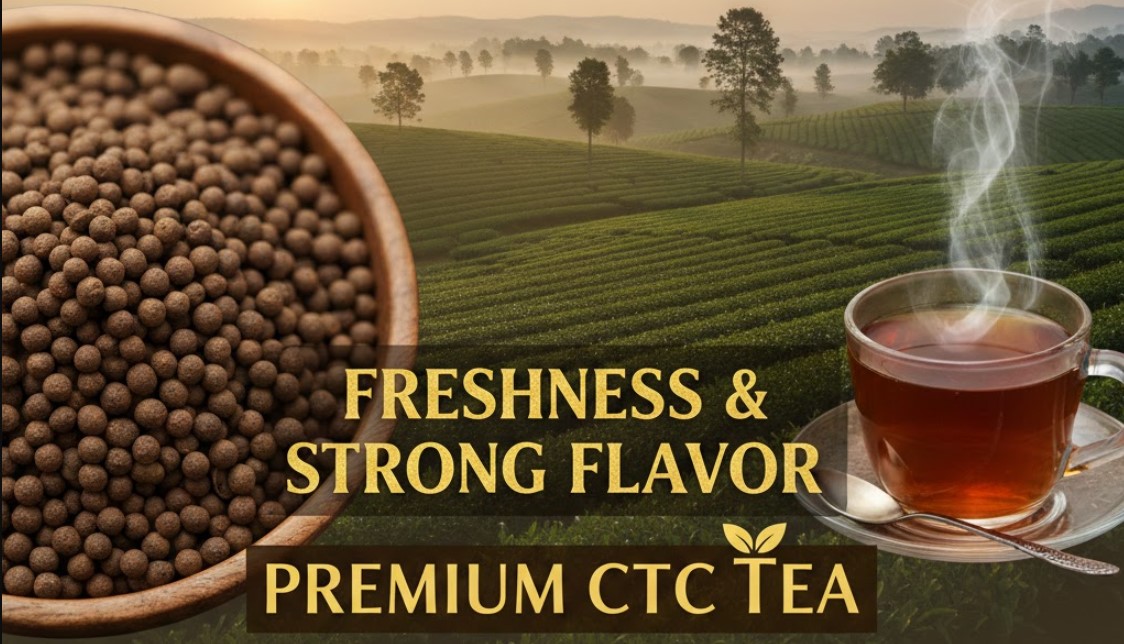
Commonly used in Indian chai and everyday black teas.
Examples:
BOP (Broken Orange Pekoe)
FBOP (Flowery Broken Orange Pekoe)
GBOP (Golden Broken Orange Pekoe)
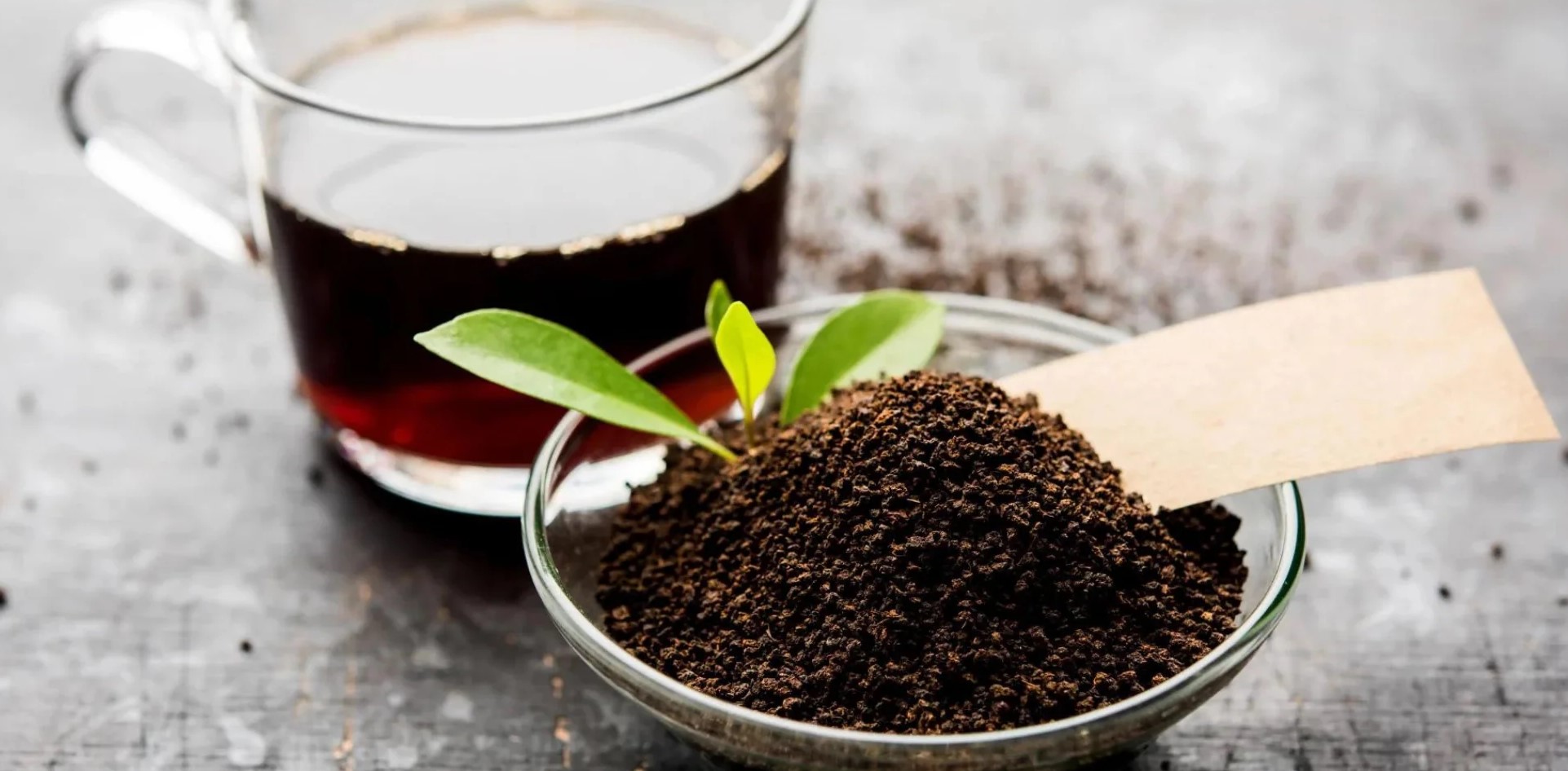
Tiny particles and tea dust created during the sorting process.
Commonly used in tea bags for quick brewing and bold taste.
Although lower in grade, they can still offer a satisfying flavor.
Examples:
PF (Pekoe Fannings)
PD (Pekoe Dust)
Dust No. 1, Dust No. 2 (used by tea factories and brands)
Let’s decode the abbreviations you often see on premium tea labels:
| Grade | Full Form | Meaning & Features |
|---|---|---|
| OP | Orange Pekoe | Long, wiry whole leaves with few tips. Medium quality. |
| FOP | Flowery Orange Pekoe | Whole leaf tea with some buds (tips); aromatic and elegant. |
| GFOP | Golden Flowery Orange Pekoe | Contains golden tips; more refined flavor. |
| TGFOP | Tippy Golden Flowery Orange Pekoe | High-quality tea with many golden tips; smooth and rich. |
| FTGFOP | Finest Tippy Golden Flowery Orange Pekoe | Among the finest grades; delicate, aromatic, and complex. |
| BOP | Broken Orange Pekoe | Broken leaves, strong flavor, often used in blends. |
| FBOP | Flowery Broken Orange Pekoe | Broken leaves with some tips; balanced flavor. |
| Dust | — | Very fine particles; brews quickly and strong, used in tea bags. |
Many tea drinkers assume “Orange Pekoe” refers to flavor or color, but it actually doesn’t.
The term originates from:
“Orange” – Possibly linked to the Dutch royal family, House of Orange-Nassau, signifying premium quality.
“Pekoe” – Derived from the Chinese word “bai hao” meaning “white hair,” referring to the fine white buds on young tea leaves.
So, “Orange Pekoe” simply refers to a grade of whole black tea made from tender leaves—not orange flavoring.
Tea grading varies by region, so the same grade can have slight differences depending on where the tea comes from:
| Region | Tea Type | Grading Style |
|---|---|---|
| India (Assam, Darjeeling, Nilgiri) | Black tea | Uses orthodox grading (OP, FOP, TGFOP) |
| Sri Lanka (Ceylon Tea) | Black tea | Similar grading with local variations |
| China | Green, white, oolong | Focuses more on leaf appearance and picking standard (e.g., Silver Needle, Mao Feng) |
| Japan | Green tea | Based on type (Sencha, Gyokuro, Matcha), not leaf size |
| Kenya | CTC tea | Graded by size and density (BP1, PF1, Dust) |
CTC (Crush, Tear, Curl) teas and Orthodox teas are processed differently, which affects their grading system:
 Add to Cart
  Add to Cart
  Add to Cart
 | Feature | Orthodox Tea | CTC Tea |
|---|---|---|
| Leaf Structure | Whole or partially broken | Granular or pellet-shaped |
| Flavor Profile | Subtle, layered, aromatic | Strong, brisk, and quick brewing |
| Grading Example | OP, FOP, TGFOP | BP1, PF1, PD |
| Common Use | Loose-leaf premium teas | Tea bags and milk teas |
When buying tea—whether loose leaf or packaged—consider the following:
For premium flavor and aroma: Choose whole-leaf grades like TGFOP or FTGFOP.
For everyday strong tea: Go for Broken grades (BOP, FBOP).
For convenience or tea bags: Choose fannings or dust for quick brewing.
For iced tea or milk tea: CTC grades give a bold and robust cup.
At PrimeGoldTea, every batch undergoes strict leaf grading and sorting to maintain purity and consistency.
The leaves are handpicked, carefully rolled, and graded according to international standards to ensure:
Uniform leaf size and texture
Natural color and aroma retention
Balanced strength and smoothness in every cup
Whether you’re choosing a Darjeeling first flush, an Assam CTC, or a herbal blend, PrimeGoldTea offers clear labeling and grade transparency for informed tea lovers.
Understanding tea grades and labels empowers you to choose the right tea for your taste and brewing style.
Remember — grading helps identify leaf size and appearance, not necessarily flavor superiority. Always consider the origin, freshness, and processing method for the best tea experience.
So next time you see FTGFOP or BOP on your tea label, you’ll know exactly what it means — and which one fits your perfect cup.