

-
 0
0
0
Dooars tea continues to be one of the most important CTC tea categories in India’s bulk tea market. Known for its strong taste, affordability, and high blending capacity, it is widely used across tea stalls, hotels, FMCG brands, and large-scale beverage manufacturers.
In 2026, Dooars tea remains a high-demand, price-sensitive commodity, especially in India’s domestic tea supply chain.
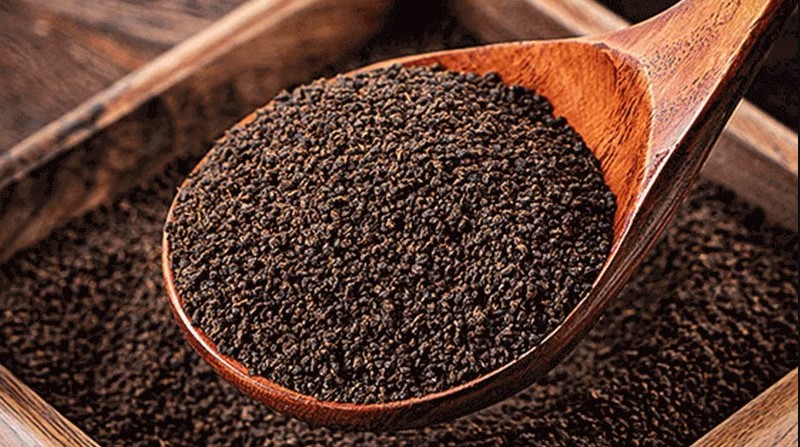
Dooars tea is produced in the Dooars region of North Bengal, located at the foothills of the Eastern Himalayas. This region produces mostly CTC (Crush, Tear, Curl) black tea, which is designed for fast brewing and strong flavour.
Strong and bold chai taste
Deep reddish liquor (color in cup)
High caffeine content
Excellent performance in milk tea
Ideal for mass consumption
It is primarily used in:
Indian chai (tea stalls & dhabas)
Tea bags and packaged tea
Hotel, restaurant, and catering supply
Industrial blending for FMCG brands
Wholesale pricing in 2026 depends on grade quality, auction trends, demand cycles, and weather conditions affecting production.
₹130 – ₹180 per kg
Used in tea bags, low-cost chai supply
Highest volume segment in wholesale trade
₹180 – ₹250 per kg
Most commonly traded wholesale category
Balanced quality for cafes, hotels, and retailers
₹250 – ₹320+ per kg
Better leaf consistency and stronger aroma
Used by premium tea brands and export blending units
Dooars tea pricing is dynamic and influenced by multiple agricultural and market factors.
CTC tea is sorted into different grades based on particle size and quality:
Dust tea → lowest cost, high caffeine extraction
Broken grades (BOP/BPS) → balanced quality and demand
Leafier CTC → premium pricing segment
Smaller particles extract faster, making them ideal for commercial chai production.
Tea production in Dooars follows seasonal cycles:
First Flush (Spring): lighter liquor, moderate pricing
Second Flush (Summer): stronger flavor, higher demand
Monsoon Flush: bulk production but lower quality
Autumn Flush: balanced quality, stable pricing
Weather variations heavily influence yield and auction prices.
Most Dooars tea is traded through auctions, where pricing depends on:
FMCG brand demand
Tea bag manufacturing requirements
Domestic retail consumption spikes
Bulk export orders
Higher competition at auctions leads to price increases.
Costs influencing tea pricing include:
Labor wages in tea gardens
Fertilizer and maintenance expenses
Transport and logistics costs
Climate impact on yield
Even small increases in production cost can significantly affect wholesale rates.
A large portion of Dooars tea is not sold as standalone tea but used in blending with:
Assam tea
Other North Indian teas
This blending demand stabilizes wholesale consumption but keeps prices competitive.
Despite being cheaper than premium Assam teas, Dooars tea holds strong importance in India’s tea economy.
Its bold, heavy taste makes it ideal for Indian milk tea.
Perfect for businesses aiming to reduce raw material cost without losing strength.
Suitable for mass production in tea bags and bottled tea industries.
India’s tea consumption is overwhelmingly domestic, making Dooars a stable supply source.
The tea market in 2026 shows evolving patterns:
Urban and rural demand for affordable chai continues to grow.
Assam tea often competes in similar price segments, affecting Dooars margins.
Tea bags and FMCG brands are increasing bulk procurement.
Tea estates are gradually improving processing standards to compete in premium segments.
Irregular rainfall and weather conditions affect yield consistency.
Dooars tea is widely used across multiple industries:
Wholesale tea distributors
Retail tea sellers
Hotels and catering services
Tea stall and café owners
FMCG tea brands
Export blending companies
Packaged tea manufacturers
It is one of the most versatile bulk tea ingredients in India.
To maximize value while purchasing Dooars tea:
Reduces intermediary cost and ensures better pricing.
Evaluate:
Strength of liquor
Aroma
Color consistency
Dust percentage
Auction markets often provide more competitive pricing for bulk buyers.
Dust → tea bags & mass production
BOP/BPS → retail & hospitality
Premium grades → branding or export blending
Improper storage reduces aroma and shelf life significantly.
While Dooars tea is not the premium export leader, it still plays a role in:
Tea blending industries abroad
Budget tea bag manufacturing
Mass FMCG supply chains
Bulk commodity tea export markets
Its export strength lies in volume and affordability, not premium positioning.
Dooars tea in 2026 remains a core commodity in India’s wholesale tea ecosystem. With prices ranging from ₹130 to ₹320+ per kg, it continues to serve as a reliable, high-volume tea source for domestic and international buyers.
Strong demand in bulk and FMCG sectors
Affordable pricing compared to premium teas
Highly suitable for chai and tea bag production
Stable but competitive market environment
For wholesalers and tea traders, Dooars tea remains a profitable, high-turnover product in the Indian tea industry.
If you want, I can next create:
SEO meta title + description for this blog
Comparison: Dooars vs Assam vs Terai Tea (detailed table)
Supplier landing page (B2B lead generation style)
Product catalog format for wholesale tea business