100 Kg (Min. Order)
₹173.00



 0
0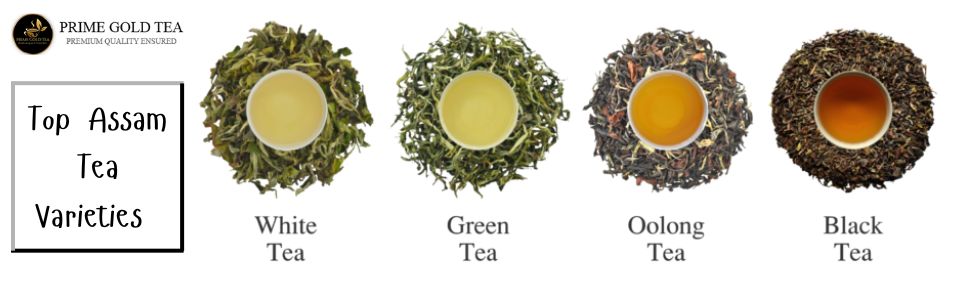
Two forces drive Assam’s distinctive cup: terroir and technique. The low elevation along the Brahmaputra River produces thicker, bolder liquors than high-grown Himalayan teas, while processing choices—especially the CTC (Crush, Tear, Curl) method versus orthodox hand-rolling—shape texture and aroma. Add seasonal nuances (First Flush brightness versus Second Flush richness), and you get a portfolio that can satisfy both everyday chai lovers and connoisseurs of single-origin leaves.
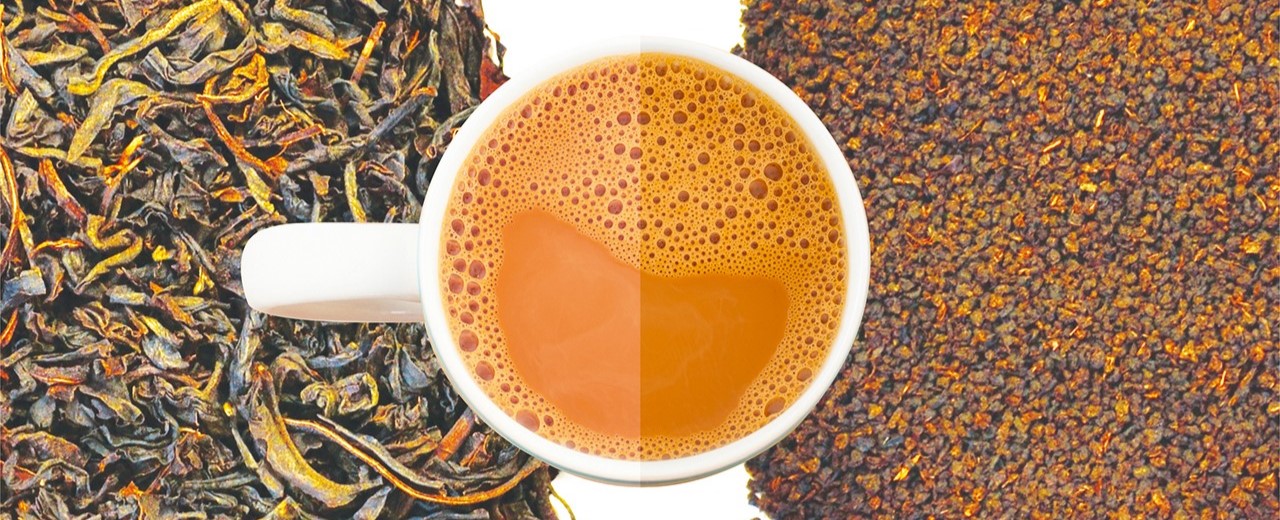
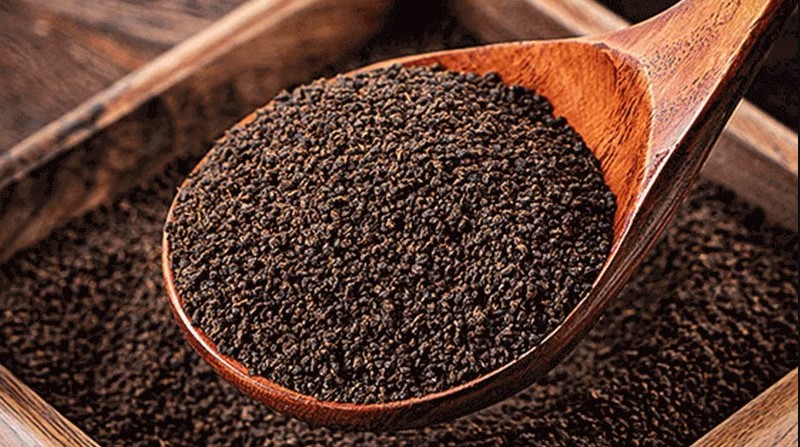
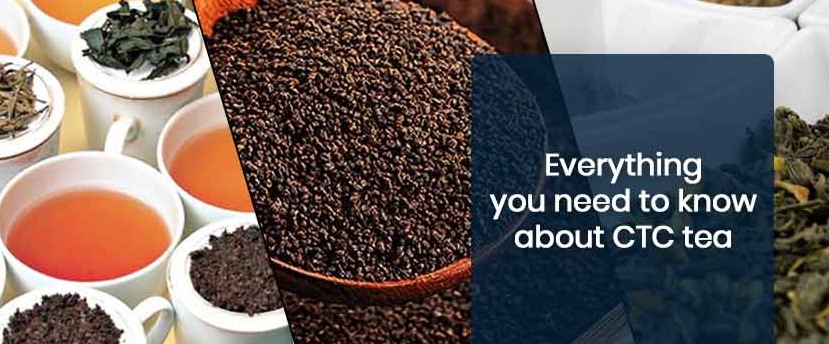
CTC is the workhorse behind India’s beloved “kadak” chai. Leaves are crushed, torn, and curled into even pellets that brew fast, yield strong color, and stand up to milk and spices. It’s the default choice for highway dhabas, city cafés, office pantries, and tea vending machines.
Best Uses: Masala chai, milk tea, and blends where strength and color matter.
Buyer Note: Stocking two or three CTC grades helps serve both premium cafés (preferring BOP/BOPSM) and price-sensitive bulk buyers (often PF/PD).
Orthodox teas retain larger leaf structures and are rolled with care, preserving aromatic oils and subtler flavors. Expect layered malt, gentle fruitiness, and a round finish—a graceful counterpoint to CTC’s punch.
Best Uses: Single-origin tins, premium samplers, hotel tea service, and gifting.
Buyer Note: Orthodoxy shines without milk or with a light dash; position it where aroma sells—boutiques and export.
Assam CTC Tea: India’s Everyday Powerhouse
Popular Grades
Assam Orthodox Tea: Whole-Leaf Craft for Nuance
Popular Grades

 Add to Cart
  Add to Cart
  Add to Cart
  Add to Cart
Golden Tips are crafted from young buds covered with fine golden trichomes. The leaf appearance is stunning; in the cup, expect a mellow honeyed sweetness, soft malt, and a luminous amber-gold liquor. Because plucking and sorting are labor-intensive, supply is limited and pricing reflects that rarity.
Best Uses: Tasting flights, luxury hampers, small-batch export, and collector-grade tins.
Buyer Note: Treat Golden Tips as a halo product—limited releases elevate a brand’s premium image.
Assam is known for black tea, but its green teas are increasingly popular. Unlike high-mountain greens that lean floral and grassy, Assam greens often show a faint malty undertone beneath fresh, vegetal notes, making them approachable for black-tea drinkers crossing over.
Best Uses: Detox blends, iced teas, lemon-honey infusions, and fitness-focused assortments.
Buyer Note: Pair Assam green with familiar flavors (mint, lemongrass, tulsi) to attract first-time green tea buyers.
Assam Golden Tips: Liquid Honey and Luxury
Assam Green Tea: Wellness with a Malty Whisper
 Add to Cart
  Add to Cart
  Add to Cart
  Add to Cart
Made from the youngest buds and first leaves, Assam white tea sees minimal handling. The resulting cup is light, silken, and gently sweet with a soft floral whisper. It’s scarce, prized by wellness consumers and tea connoisseurs who enjoy delicate textures.
Best Uses: Wellness sets, connoisseur clubs, and premium gift boxes.
Buyer Note: Position as a limited, meditative experience—more about serenity than strength.
Harvested in May and June, Second Flush is the iconic Assam profile—dense malt, hints of caramel or dried fruit, and a glowing copper liquor. For many buyers, this is the benchmark season.
Best Uses: Signature blends, café pour-overs, and premium subscription drops.
Buyer Note: Label clearly by season; “Second Flush Assam” is a selling point in itself.
Picked in March and April, First Flush brings a livelier edge: brisk, fresh, and aromatic, with light malt lingering underneath. It’s excellent for customers who prefer clarity over heft.
Best Uses: Seasonal boxes and limited café menus celebrating spring harvests.
Buyer Note: Educate consumers: First Flush is fresher and brisker; Second Flush is fuller and sweeter.
Assam CTC is the perfect base for spice-forward chai. Cardamom, ginger, cinnamon, clove, and black pepper integrate seamlessly with Assam’s malty core, delivering warmth and vigor in milk.
Best Uses: Packaged chai kits, café house blends, office pantries, and travel-friendly sachets.
Buyer Note: Keep a standard blend and a premium “extra-cardamom” or “ginger-boost” variant for upselling.
With orthodox processing and visible silver or golden tips, this style offers an elegant bridge between floral highs and malty lows. It brews a smooth, layered cup that intrigues enthusiasts who like nuance without sacrificing body.
Best Uses: Tasting collections, boutique retail, and upscale hotel menus.
Buyer Note: Small-batch storytelling—garden name, pluck date, and tip percentage—adds perceived value.
Leaf dust produces color and strength in seconds, making it a favorite for tea bags, institutional kitchens, and roadside stalls. The profile is straightforward: brisk, assertive, and built for milk and sugar.
Best Uses: Vending machines, quick-serve counters, canteens, and large-scale catering.
Buyer Note: Emphasize consistency and yield; dust excels where speed and cost-per-cup matter most.
Grades describe leaf size and appearance, not quality alone. Origin, season, and handling affect flavor just as much as grade codes.
Assam’s bold character anchors global favorites like English Breakfast and Irish Breakfast blends and pairs well with milk-drinking cultures. For exporters, Assam offers year-round supply, a wide grade mix for different price points, and strong brand recognition. Boutique retailers can elevate margins with seasonal singles (First/Second Flush), named gardens, and tip-forward lots.
Not always. CTC styles are robust, but orthodox and tip-heavy lots can be gentle, layered, and sweet. Strength depends on grade, season, and brewing.
CTC grades like BOP, PF, and PD excel with milk and spices. They extract quickly and deliver color and body.
First Flush is brisk and fresh with lighter body; Second Flush is richer, maltier, and slightly sweet—often considered the classic Assam profile.
They are bud-heavy, hand-selected, and limited in yield. The meticulous plucking and sorting drive up costs and quality.
Yes. Many house blends combine CTC’s body with orthodox aroma to balance strength and fragrance for cafés and retail tins.
Cool, dark, airtight, and odor-free. Split bulk into smaller packs to reduce oxygen exposure and maintain freshness over months.
It can be if brewed too hot or too long. Use 75–85°C water and a short steep to highlight freshness with a soft malty undertone.
Absolutely. CTC yields a bold, tea-forward iced base; orthodox brings clarity and aroma. Steep in cold water 8–12 hours, then strain.
Black CTC and orthodox: near-boiling (95–100°C). Green: 75–85°C. White and Golden Tips: 80–90°C to protect delicate notes.
Blends deliver consistency and value; single-origin lots offer story, seasonality, and premium pricing. Many sellers carry both.
From the muscular confidence of CTC chai to the velvet grace of Golden Tips, Assam’s tea spectrum is wide and welcoming. If you want speed and strength, choose CTC. If you seek aroma and layers, go orthodox. For wellness-led assortments, carry a clean Assam green and a delicate white. And when it’s time to dazzle, unveil a small lot of Golden Tips or a meticulously labeled Second Flush single-origin. Build your menu—and your brand—around Assam’s strengths: reliability, richness, and seasonality.
Whatever your role—home brewer, café buyer, or wholesaler—there is an Assam that fits your cup and your customers. Explore the grades, track the seasons, taste widely, and let the Brahmaputra’s valley shape the heart of your tea program.
Second Flush Assam: The Season of Sweet Malt
First Flush Assam: Spring Brightness
Assam Masala Chai Blends: Spice Meets Strength
Orthodox Green-Tip Assam: Floral Lift with Malty Depth
10) Assam Leaf Dust: Fast, Dark, Dependable
Understanding Grades and Labels
Brewing Guides for Assam Teas
Classic Milk Chai (CTC)
Orthodox Black (Without Milk)
Assam Green
White and Golden Tips
Food Pairing Ideas
Buying Tips for Wholesalers and Cafés
Storage and Freshness
Assam Tea in the Global Market
Quick Glossary
Frequently Asked Questions
Is Assam tea always strong?
Which Assam is best for milk chai?
How do First and Second Flush differ?
What makes Golden Tips expensive?
Can I blend orthodox and CTC?
How should I store Assam tea?
Is Assam green tea bitter?
Does Assam work as cold brew?
What is the ideal water temperature?
How do I choose between blends and single-origin?
Many Malts, One Assam