35 Kg (Min. Order)
₹480.00



 0
0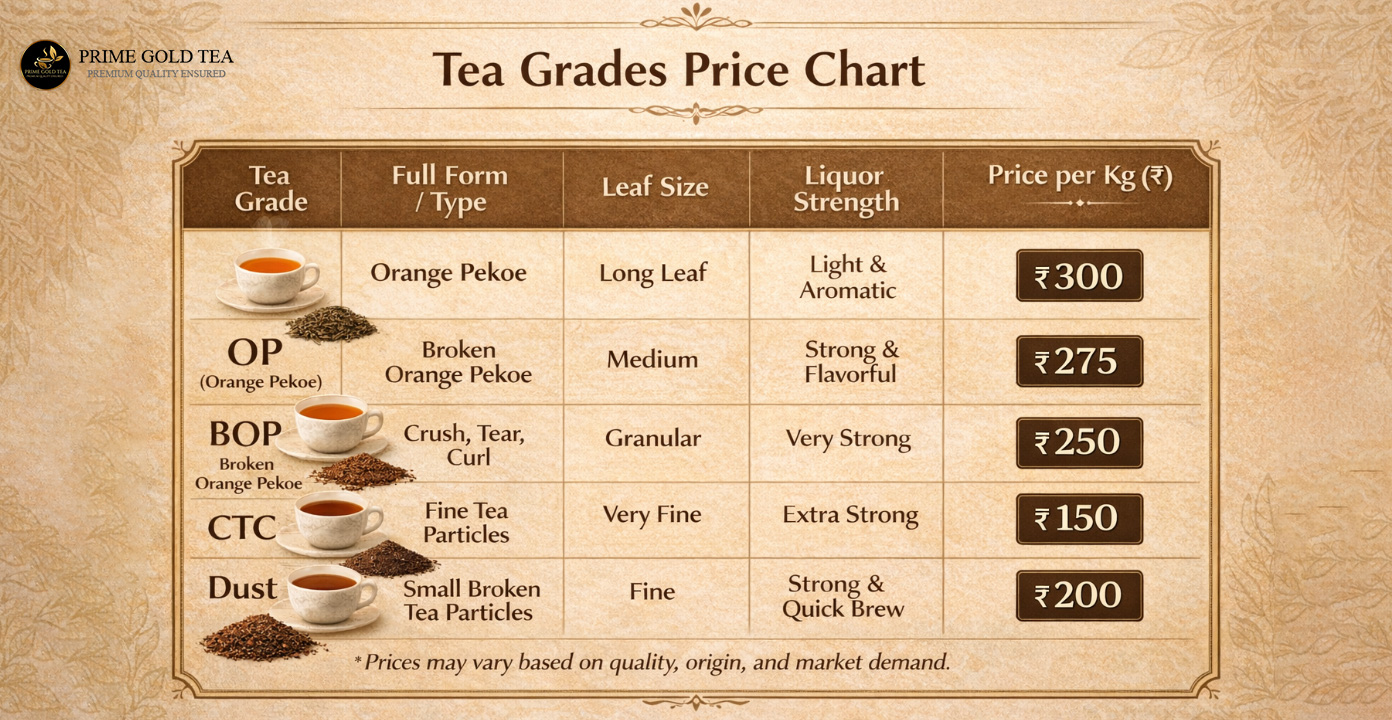
Tea grading systems are used to classify tea based on leaf size, appearance, processing method, and quality, rather than flavor alone. These grades help buyers, sellers, and exporters maintain consistency in trade, pricing, and end-use applications. Globally, tea grades are especially important in Indian, Sri Lankan, Kenyan, and Chinese tea markets, where bulk transactions depend heavily on standardized grading terminology such as OP, BOP, CTC, Dust, and Fannings.
Tea grades have a direct impact on market price because they determine brewing strength, visual appeal, aroma, and yield per kilogram. Whole-leaf grades command higher prices due to slower oxidation, better aroma retention, and premium positioning. Smaller or broken grades are priced competitively and preferred for strong brews and tea bags. From a commercial perspective, grades decide target markets, packaging formats, and consumer segments.
This guide is designed for:
Tea grades represent the physical size and condition of tea leaves after processing, not the plant variety or estate quality. Both orthodox (loose-leaf) and CTC (Crush, Tear, Curl) teas follow different grading standards, but the objective remains the same: classification for trade efficiency.
Loose Leaf (Orthodox) Grades: OP, BOP, FBOP, TGFOP, etc., focusing on leaf wholeness and tips
CTC Grades: BP, PF, PD, Dust, designed for strong, quick-brewing teas

 Add to Cart
  Add to Cart
  Add to Cart
  Add to Cart
 Orthodox grades emphasize aroma and appearance, while CTC grades focus on liquor strength and color.
Larger leaf grades like OP produce a lighter, aromatic cup, whereas broken or granular grades like BOP and CTC yield stronger, darker liquor. Processing intensity increases caffeine extraction and color, making smaller grades more suitable for milk tea and mass consumption.
Market prices rise with:
Larger, intact leaves
Hand-plucked or orthodox processing
Export-grade sorting and minimal dust content
Conversely, smaller grades offer better cost efficiency and higher yield, making them ideal for high-volume buyers.
OP (Orange Pekoe) tea is a whole-leaf orthodox grade, known for its elegant appearance and refined taste.
OP tea consists of long, wiry, unbroken leaves, carefully rolled during orthodox processing. The leaves are evenly oxidized and free from excessive dust or fannings.
OP tea produces a light-bodied liquor with a smooth mouthfeel, floral aroma, and subtle sweetness. It is less bitter compared to broken grades and ideal for plain tea consumption.
₹320 – ₹650 per kg (depending on origin, season, and quality)
USD 4.5 – 8.5 per kg (FOB, bulk packing)
Estate location (Assam, Darjeeling, Nilgiri)
Seasonal flush (first flush commands premium)
Leaf uniformity and moisture content
Organic or specialty certifications
OP tea is best suited for:
Premium loose-leaf tea brands
Hotels, cafés, and fine-dining establishments
Specialty and wellness tea blends
Its visual appeal and smooth taste make it a preferred choice for high-end retail and export markets.
BOP (Broken Orange Pekoe) tea is produced from broken orthodox tea leaves, offering a balance between strength and aroma.
The leaves are intentionally broken during processing, resulting in smaller, uniform particles that infuse quickly.
Compared to OP, BOP tea delivers:
Stronger liquor
Slightly reduced aroma
Darker color and brisk taste
This makes it ideal for everyday tea drinkers.
₹180 – ₹380 per kg
USD 2.8 – 5.5 per kg
Prices vary based on grade purity, dust percentage, and origin.
BOP tea is widely used in:
Tea bag manufacturing
Strong daily consumption tea
Milk-based and masala tea blends
Institutional and catering supply
 Add to Cart
  Add to Cart
  Add to Cart
  Add to Cart
 Its cost-effectiveness and robust flavor make it a high-demand grade in domestic and international markets.
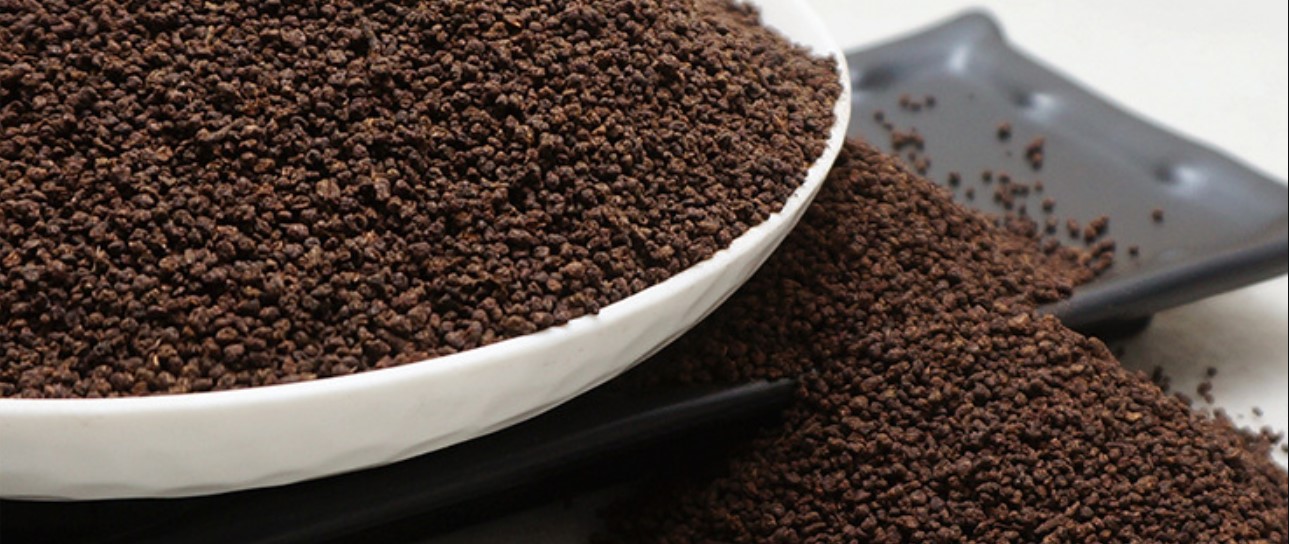
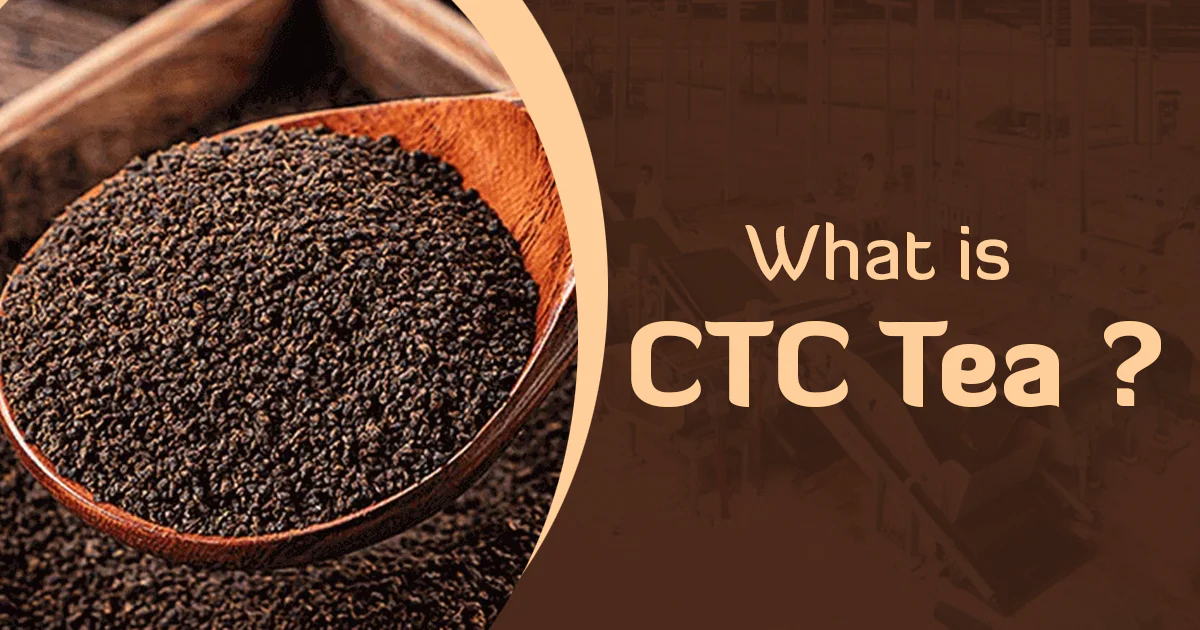
CTC tea is manufactured using a mechanical Crush–Tear–Curl process, where fresh tea leaves are crushed, torn, and rolled into small granular pellets. Unlike orthodox teas, CTC focuses on liquor strength, color, and fast infusion rather than leaf appearance.
CTC tea dominates Indian domestic consumption and is the backbone of milk tea, chai stalls, QSRs, and vending machines.
Common CTC grades include:
BP (Broken Pekoe) – Coarse granules, strong but slightly lighter cup
PF (Pekoe Fannings) – Balanced strength and aroma
PD (Pekoe Dust) – Very strong, dark liquor
Dust – Finest particles, maximum extraction
Smaller grades produce stronger liquor and darker color, which increases demand in mass markets.
₹140 – ₹320 per kg (depending on grade and origin)
USD 2.2 – 4.8 per kg
Granule size consistency
Liquor color and brightness
Moisture level and fiber content
Assam vs South Indian origin
CTC teas with high cuppage and strong color command better prices in bulk export markets.
CTC tea is ideal for:
Milk-based chai
Roadside tea vendors & cafés
Hotels, railways, airlines
Tea vending machines
Private-label mass-market brands
Its fast brewing and consistent output make it the most commercially scalable tea grade.
Tea Dust consists of very fine particles produced during both orthodox and CTC processing. Despite its name, it is not waste—it is a highly demanded grade for strong tea applications.
Domestic bulk price: ₹90 – ₹220 per kg
Export price: USD 1.6 – 3.2 per kg
Dust pricing depends heavily on color yield and bitterness control.
Economy tea bags
Institutional supply
Vending machines
High-caffeine blends
Tea Dust delivers maximum extraction in minimal time, making it highly cost-effective.
Fannings are slightly larger than dust but smaller than BOP, offering a balance between strength and smoothness. They are widely used in mid-range tea bags.
₹120 – ₹260 per kg (India)
USD 2.0 – 4.0 per kg (Export)
Premium tea bags
Blended teas
Retail-packed economy tea
Fannings are preferred where clarity of liquor and controlled bitterness are required.
| Tea Grade | Leaf Size | Strength | Avg Price (India) | Export Price (USD) | Best For |
|---|---|---|---|---|---|
| OP | Whole Leaf | Light | ₹320–₹650 | 4.5–8.5 | Premium loose tea |
| BOP | Broken Leaf | Medium–Strong | ₹180–₹380 | 2.8–5.5 | Tea bags, daily tea |
| CTC | Granular | Strong | ₹140–₹320 | 2.2–4.8 | Milk tea, bulk |
| Fannings | Fine | Strong | ₹120–₹260 | 2.0–4.0 | Tea bags |
| Dust | Finest | Very Strong | ₹90–₹220 | 1.6–3.2 | Vending, economy |
Choose OP or BOP for visual appeal, aroma, and premium positioning.
Use BOP or PF-grade CTC for consistent strength and faster service.
CTC and BOP grades offer higher volume turnover and repeat demand.
Dust and fannings provide lowest cost per cup with maximum output.
Which tea grade is best for milk tea?
CTC grades like PF, PD, and Dust are best because they produce strong color and flavor that pair well with milk.
Is OP tea always expensive?
OP tea is priced higher due to whole-leaf appearance and aroma, but pricing still varies by origin and season.
Which tea grade has the highest demand in India?
CTC tea dominates Indian consumption due to affordability and strength.
Are fannings better than dust?
Fannings offer smoother taste and better clarity, while dust provides stronger extraction at lower cost.
Which grade is best for export?
CTC and BOP teas are most exported due to consistent quality and bulk demand.